

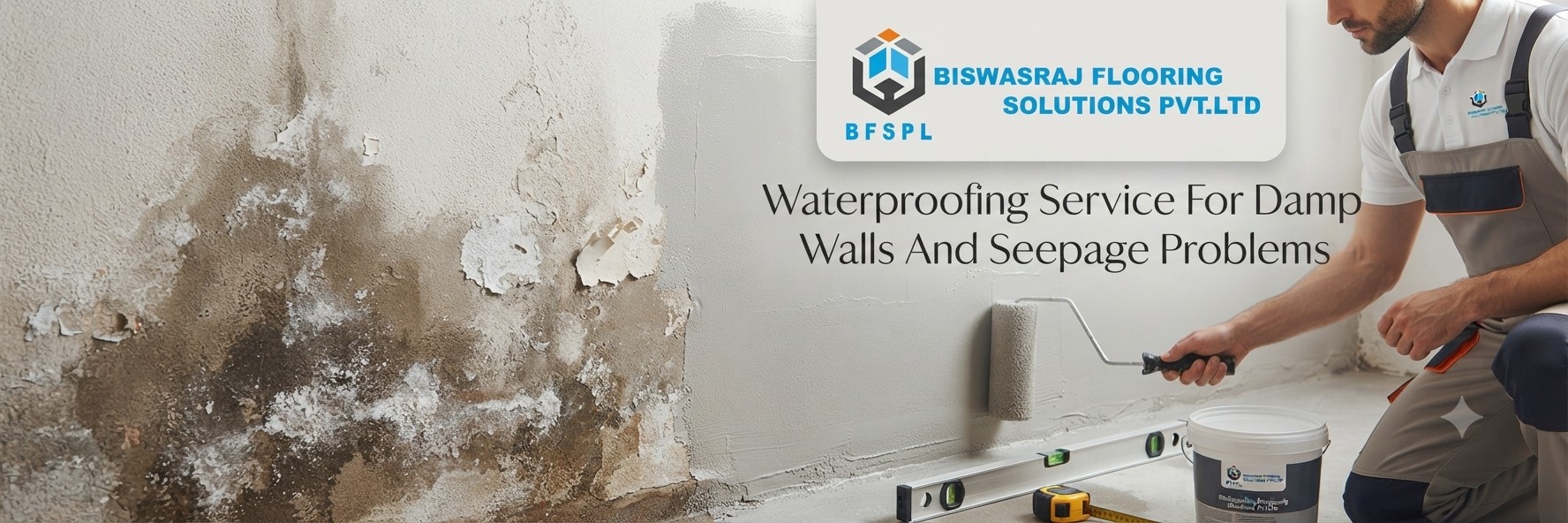
Waterproofing Service For Damp Walls And Seepage Problems
 07 Oct 2026
Waterproofing Service For Damp Walls And Seepage Problems
- Posted by Nagananda Udupa
Damp walls, peeling paint, mould growth, and recurring moisture can indicate a deeper water-related problem in a building. Ignoring these signs can gradually damage plaster, concrete, finishes, and interior surfaces.
A professional waterproofing service can identify where moisture is entering and recommend a suitable treatment based on the affected area. Solutions may include surface coatings, crack treatment, joint sealing, membrane systems, or injection-based methods.
If moisture keeps returning after painting or minor repairs, the issue needs more than a cosmetic fix. Understanding the cause is the first step toward a lasting solution.
What Causes Dampness In Walls?
Wall dampness can develop for several reasons, and the correct treatment depends on the source of the moisture.
Common causes include:
Water entering through exterior walls
Cracks in concrete or masonry
Poor drainage around the building
Roof or terrace water penetration
Plumbing leaks
Groundwater entering basement areas
Poorly sealed construction joints
Moisture rising from the ground
In some buildings, damp patches appear only during the monsoon. In others, the problem remains throughout the year. The timing and location of the dampness can help professionals identify the likely source.
Simply covering the affected area with fresh paint may hide the symptoms temporarily without addressing the underlying problem.
What Are The Signs Of Water Seepage?
Water seepage does not always appear as visible flowing water. It can develop gradually and cause subtle changes to walls, ceilings, and floors.
Watch for signs such as:
Dark or wet patches on walls
Peeling or bubbling paint
White salt deposits
Cracked plaster
Musty odours
Mould or fungal growth
Damp corners
Discolouration around windows
Recurring moisture after rainfall
If these signs continue to return after repairs, the source of the moisture should be investigated.
Early intervention can prevent a relatively small moisture problem from becoming a more expensive building repair.
How Does Damp Proofing Help Protect A Building?
Damp proofing is designed to reduce or prevent moisture movement through building surfaces. Depending on the location and cause, it can involve barriers, protective coatings, membranes, or other suitable systems.
The right approach depends on whether the moisture comes from:
Groundwater
Rainwater
Plumbing
Exterior surfaces
Construction joints
Cracks
Roof or terrace areas
For example, a building exposed to persistent external rain may require a different solution from a basement affected by groundwater pressure.
A professional assessment helps determine which system is appropriate instead of applying the same treatment to every situation.
When Do You Need Wall Seepage Treatment?
Recurring damp patches are a strong indication that the wall requires further investigation.
Wall seepage treatment may be considered when moisture continues to appear despite repainting, plaster repairs, or surface cleaning.
It is particularly important when you notice:
Seepage spreading across the wall
Paint repeatedly peeling
Plaster becoming weak or powdery
Mould returning after cleaning
Dampness increasing during rainfall
Moisture appearing near bathrooms or plumbing
Cracks allowing water to enter
The treatment should address the source rather than only repairing the visible surface.
For example, if water is entering through an external crack, repairing the interior wall alone may not provide a lasting solution.
What Waterproofing Methods Can Be Used?
The appropriate system depends on the building condition, moisture source, and affected surface.
Protective Coatings
Specialised coatings can create a protective layer over suitable surfaces and help reduce water penetration.
Crack Treatment
Cracks can provide direct paths for water movement. Depending on their size and location, they may require sealing, filling, or specialised repair techniques.
Membrane Systems
Membranes can provide a continuous protective barrier in selected applications such as terraces, roofs, basements, and other exposed areas.
Injection Grouting
Injection-based systems can be used in certain cracks, joints, and concrete structures where water penetration needs to be controlled from within the affected area.
Joint Sealing
Construction joints and movement joints can become potential entry points for water. Suitable sealants or joint treatment systems can help control leakage.
The objective is not simply to cover the surface. The system should be selected according to the source and behaviour of the moisture.
Different methods are suitable for different surfaces and water exposure conditions. For technical reference, you can also reviewwaterproofing and damp-proofing practices covered by the Bureau of Indian Standards.
How Can You Choose The Right Waterproofing Service?
Choosing a contractor only by price can lead to repeated repairs if the underlying problem is not properly identified.
Before selecting a waterproofing service, consider these factors:
Identify the moisture source: Ask how the contractor plans to locate the cause of the problem.
Check the proposed method: The treatment should match the surface and type of water exposure.
Ask about surface preparation: Cleaning, crack repair, and substrate preparation can affect performance.
Understand the scope: Confirm which areas will be treated and what preparation is included.
Compare materials: Ask what type of coating, membrane, sealant, or repair system will be used.
Discuss maintenance: Understand what conditions could affect the treatment over time.
A detailed inspection is usually more useful than choosing a solution based only on a generic quotation.
Can Dampness Damage Concrete And Plaster?
Yes. Persistent moisture can affect both finishes and underlying building materials.
Paint may blister or peel, while plaster can become weak and deteriorate. In reinforced concrete structures, prolonged moisture exposure can also contribute to conditions that promote reinforcement corrosion when other factors are present.
Damp conditions can also encourage mold growth and create unpleasant indoor odours.
This is why recurring moisture should not be treated as purely an aesthetic issue.
For concrete surfaces affected by persistent moisture, choosing the rightprotective flooring or surface treatment can also help improve long-term durability.
How Can You Prevent Recurring Water Problems?
Prevention starts with identifying vulnerable areas before they develop serious leakage.
Useful measures include:
Inspecting terraces and roofs regularly
Sealing visible cracks
Maintaining drainage systems
Checking plumbing connections
Inspecting basement walls
Maintaining external wall finishes
Addressing damaged joints
Checking areas around windows
Repairing leakage at the earliest stage
Regular inspections are particularly useful before and after the monsoon because heavy rainfall can expose weak points in a building's protective systems.
Regular floor and surface maintenance can also help protect vulnerable areas from moisture-related deterioration.
Why Should You Treat Seepage Early?
A small damp patch may appear harmless, but recurring moisture can gradually affect larger areas.
Early wall seepage treatment can help prevent the problem from spreading and reduce the possibility of repeated plaster, paint, and surface repairs.
It can also make it easier to identify the original source before multiple areas become affected.
If a building already shows extensive dampness, a professional inspection can help determine whether the issue is related to external water entry, plumbing, groundwater, cracks, joints, or another source.
Explore BiswasRaj Flooring Solutions for reliable flooring solutions designed for industrial and commercial spaces.
Frequently Asked Questions
What Is The Best Solution For Damp Walls?
The best solution depends on the source of moisture. A professional inspection should identify whether the problem comes from rainwater, plumbing, groundwater, cracks, or another source before treatment is selected.
Is Damp Proofing The Same As Waterproofing?
They are related but are not always identical. Damp proofing generally focuses on controlling moisture movement, while waterproofing systems are designed to provide stronger protection against water penetration depending on the application.
How Do I Stop Water Seepage Through A Wall?
First identify where the water is coming from. Depending on the cause, the solution may involve crack repair, exterior treatment, joint sealing, membrane application, or other suitable methods.
Can Wall Seepage Be Fixed Permanently?
It can often be controlled effectively when the actual source is identified and the appropriate repair system is applied. Treating only the visible damp patch may not solve recurring seepage.
When Should I Contact A Professional?
Contact a professional when dampness keeps returning, paint repeatedly peels, mould develops, cracks allow water entry, or moisture spreads to larger areas.
What Should You Do About Recurring Wall Seepage?
Damp walls and recurring seepage should not be ignored simply because the visible damage appears minor. Moisture can gradually affect paint, plaster, concrete, and other building components.
A suitable waterproofing service starts with identifying the source and selecting a treatment that matches the building condition. Whether the requirement involves damp proofing, crack treatment, membrane systems, or wall seepage treatment, addressing the underlying cause is essential.
If you notice recurring damp patches or water-related damage, getting the area inspected early can help prevent more extensive repairs later.
Need Help With Your Drainage Problem?
If you are experiencing recurring wall seepage or drainage-related moisture problems, contact Chandu Drainage Service to discuss the right solution for your property.