

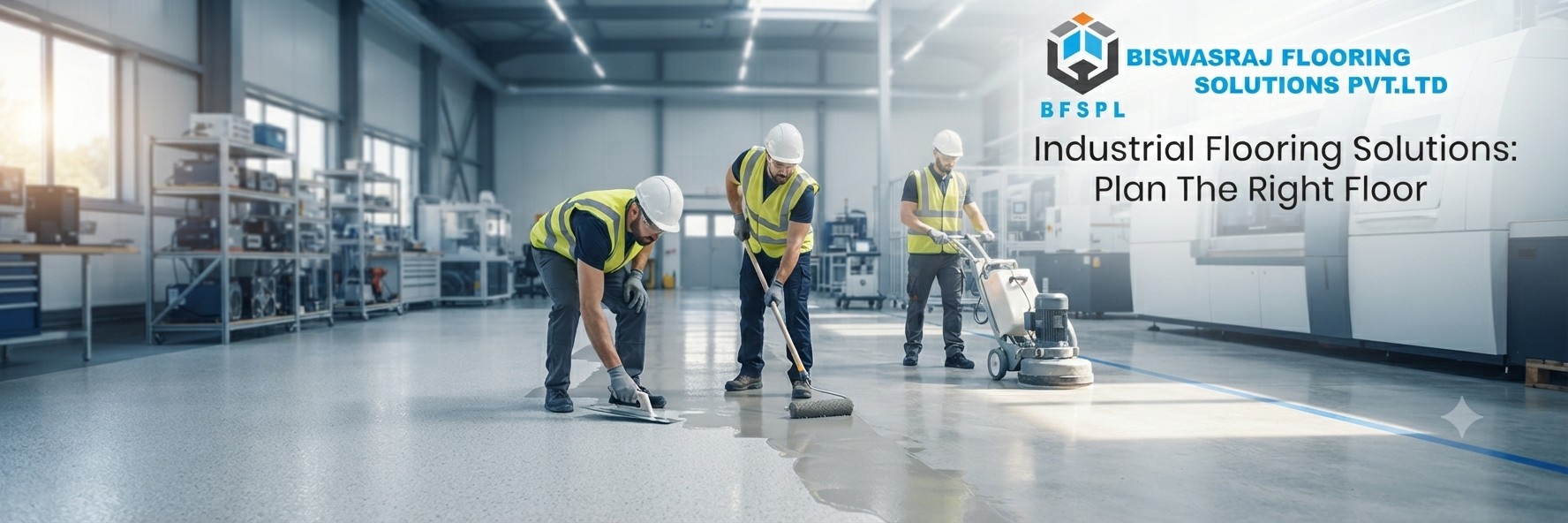
Industrial Flooring Solutions: Plan The Right Floor
 06 Oct 2026
Industrial Flooring Solutions: Plan The Right Floor
- Posted by Nagananda Udupa
Choosing a floor for a factory, warehouse, manufacturing unit, or logistics facility should begin with how the space will actually be used. Heavy machinery, forklifts, pallet movement, chemical exposure, moisture, impact, and continuous traffic can place significant demands on an industrial floor. A visually attractive surface is not enough. The flooring system needs to match the operating conditions, building layout, expected loads, maintenance requirements, and future use of the facility. The right industrial flooring solutions can improve durability, floor performance, workplace safety, and long-term maintenance. However, selecting the appropriate system requires more than choosing a popular flooring material. Start by understanding the activities that will take place on the floor. A warehouse storing lightweight products will have different requirements from a manufacturing plant operating heavy machinery. Similarly, a pharmaceutical facility may have different hygiene and cleaning requirements from an automobile workshop. Before selecting a system, consider: Type of facility Vehicle and forklift traffic Machinery loads Frequency of movement Chemical exposure Moisture conditions Required floor flatness Cleaning requirements Expected service life Maintenance requirements These factors help you determine which industrial flooring solutions are appropriate for the project instead of selecting a system based only on appearance or initial cost. How Does Facility Usage Affect Flooring Selection? The purpose of the building directly influences the flooring specification. A large warehouse may require a highly level concrete surface for efficient movement of forklifts and storage equipment. A production facility may require a surface capable of handling machinery, impact, oils, and continuous traffic. Areas exposed to chemicals or frequent cleaning may require a protective surface that is resistant to the specific substances used within the facility. This is why the same flooring system may not be suitable for every section of a building. You may need different specifications for production areas, storage zones, loading areas, walkways, and utility sections. When Is Laser Screed Flooring Suitable? Laser screed flooring is particularly useful when a project requires accurate concrete placement and consistent floor levels across large areas. Laser-guided equipment helps control the level of freshly placed concrete, making the technique suitable for large warehouses, factories, logistics facilities, and other expansive floor areas. The final specification should still be based on the project's requirements. Floor flatness, thickness, concrete mix, reinforcement, joints, finishing method, and intended traffic all need to be considered. A laser screed is therefore not simply a machine choice. It is part of a broader floor construction process designed around the required performance of the finished slab. When Can Epoxy Flooring Be A Good Choice? Epoxy flooringcan be considered when the existing or newly constructed concrete surface requires a protective and easy-to-maintain finish. Epoxy systems are available in different formulations and build-ups, so the appropriate system depends on the expected traffic, chemical exposure, surface condition, and other site requirements. It can be suitable for areas such as: Manufacturing facilities Warehouses Workshops Garages Laboratories Commercial facilities Processing areas However, epoxy should not be selected simply because it creates a smooth or attractive surface. The concrete substrate needs suitable preparation, and moisture, cracks, contamination, and surface condition should be assessed before installation. Can Different Flooring Systems Be Used In One Facility? Yes. A large facility does not necessarily need exactly the same floor specification everywhere. For example, a warehouse may require a precisely constructed industrial concrete flooring surface in storage aisles while selected areas may need additional surface protection.A manufacturing unit may require different finishes around production equipment, walkways, chemical-handling zones, and maintenance areas. This approach allows the flooring specification to respond to actual operating conditions rather than applying one solution throughout the entire building. When planning industrial flooring solutions, divide the facility into functional zones and identify the demands placed on each area. Why Does Surface Preparation Matter? Even a high-quality flooring material can perform poorly if the underlying surface is not properly prepared. Before applying a surface treatment, inspect the concrete for cracks, weak areas, contamination, moisture, uneven sections, and other conditions that could affect bonding or performance. For coating systems, surface preparation may involve mechanical cleaning, grinding, profiling, repairs, and removal of contaminants. For concrete floor construction, the substrate preparation and concrete specification also influence the final result. Good preparation creates a more suitable foundation for the selected flooring system and can reduce problems that may otherwise appear after installation. For concrete floor construction,concrete flooring specifications and substrate preparation also influence the final result. How Should You Plan Flooring For Heavy Traffic? Traffic should be evaluated before selecting the floor. Consider the type of vehicles used inside the facility, their approximate loads, turning movements, operating frequency, and braking patterns. Forklifts and pallet trucks can place repeated stress on industrial floors, particularly around turning areas and loading zones. For additional guidance on industrial slab design and loading considerations, refer to theACI Guide to Design of Slabs-on-Ground How Does Moisture Affect Flooring Decisions? Moisture is an important consideration for many flooring projects. Excess moisture within or beneath concrete can affect the performance of certain surface systems. Before installing a resin-based finish, the substrate should be evaluated according to the requirements of the selected system. Water infiltration, damp areas, poor drainage, and construction moisture should not be ignored. If moisture-related problems are identified early, the project team can determine an appropriate solution before the final flooring installation begins. What Maintenance Should You Plan For? Flooring selection should include a long-term maintenance plan. A floor exposed to heavy traffic may require more frequent cleaning and inspection than a lightly used area. Spills should be addressed promptly, damaged sections should be evaluated, and joints or surface defects should not be ignored. For epoxy flooring, regular cleaning and timely attention to damaged areas can help maintain the surface. The maintenance method should follow the requirements of the installed system. For concrete floors, cleaning, joint maintenance, surface protection, and periodic inspection may also form part of the maintenance plan. How Can You Reduce Future Flooring Problems? Many flooring problems can be reduced through better planning before construction begins. Start by documenting: Expected vehicle traffic Machinery locations Storage loads Chemical exposure Cleaning methods Required floor levels Drainage requirements Expansion and construction joints Expected future changes Maintenance requirements This information gives the flooring contractor and project team a clearer understanding of what the finished floor needs to achieve. The goal of industrial flooring solutions should be long-term performance rather than simply completing installation quickly. How Can You Choose The Right Flooring Contractor? The contractor should understand both the flooring material and the conditions of the project. Ask about previous experience with similar facilities, equipment used, surface preparation methods, concrete specifications, quality checks, and project execution procedures. You should also provide clear information about the facility's operational requirements. A contractor cannot recommend an appropriate system without understanding traffic, loads, environmental exposure, and the condition of the existing surface. For projects involving laser screed flooring, ask how the team will manage levels, concrete placement, finishing, joints, and required flatness. For coating projects, ask how the substrate will be prepared and how the selected system matches the site's operating conditions. How Can You Plan A Cost-Effective Flooring Project? The lowest initial quotation does not always represent the lowest long-term cost. Consider the complete lifecycle of the floor, including installation, maintenance, repairs, operational downtime, and potential replacement. A suitable floor can reduce recurring repairs and help the facility operate with fewer interruptions. The right specification may also prevent you from paying for unnecessary features that the facility does not actually need. A practical approach is to compare the expected performance of different industrial flooring solutions against the actual requirements of the facility. Frequently Asked Questions Industrial flooring solutions are flooring systems designed for environments such as factories, warehouses, workshops, logistics facilities, and production units where floors experience specific loads, traffic, chemicals, impact, or operational demands. No. Epoxy flooring can be suitable for many industrial environments, but the correct system depends on substrate condition, traffic, chemicals, moisture, temperature, and other site conditions. Laser screed flooring is commonly considered for large concrete floor areas where accurate levels and consistent floor construction are important, including warehouses, factories, and logistics facilities. Yes, but the concrete surface should be properly assessed and prepared before application. Moisture, contamination, cracks, surface profile, and concrete condition can all influence the performance of the coating. Not necessarily. Different areas may have different operational requirements. Storage zones, production areas, loading sections, walkways, and utility spaces can require different specifications. There is no single factor that applies to every project. The decision should consider the facility's use, traffic, loads, environmental exposure, substrate condition, maintenance requirements, and expected service life. Planning an industrial floor should begin with the requirements of the facility rather than the name of a flooring product. Understanding traffic, loads, machinery, moisture, chemicals, maintenance, and future usage can help you develop a more suitable specification. Industrial flooring solutions should be selected according to the conditions the floor must handle throughout its working life. Whether the project involves laser screed flooring, concrete construction, or epoxy flooring, proper planning and surface preparation remain essential. A carefully specified floor can provide a more durable, practical, and maintainable surface for demanding industrial operations. Need help planning the right industrial floor for your facility? Contact BiswasRaj Floorings to discuss your project requirements and flooring needs. What Should You Consider Before Choosing An Industrial Floor?
What Are Industrial Flooring Solutions?Is Epoxy Flooring Suitable For Every Factory?
Where Is Laser Screed Flooring Commonly Used?
Can Epoxy Be Applied Over A Concrete Floor?
Do Large Industrial Buildings Need The Same Flooring Everywhere?
What Is The Most Important Factor When Choosing An Industrial Floor?
How Can You Plan The Right Industrial Flooring Solution?
Need Expert Help With Your Industrial Flooring Project?